
Pressure Cooker Guide: Cook Faster (and Cooler) in a UAE Kitchen
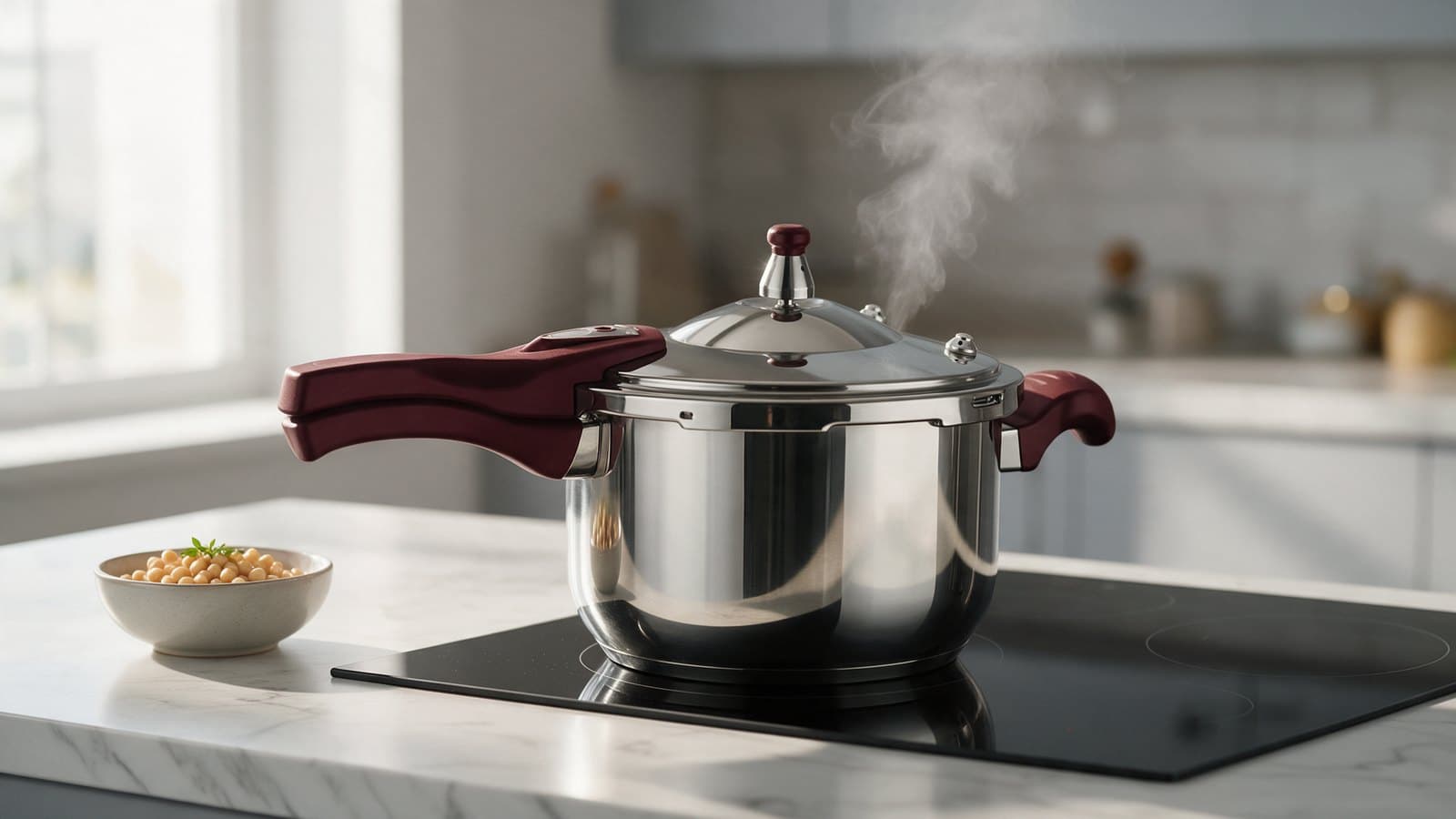
A pressure cooker is the one pot in a UAE kitchen that pays for itself in the first week. Lentils in twelve minutes instead of an hour, a whole chicken that falls off the bone in twenty-five, and a kitchen that stays noticeably cooler because the hob runs for a fraction of the time. This guide covers how a stainless steel pressure cooker actually works, which size to buy for your household, and the handful of habits that make it both faster and completely safe.
Why pressure cooking is faster (and why that matters in summer)
Water boils at 100 °C in an open pot and cannot get any hotter — the extra heat just turns into steam. Seal the lid and let the pressure rise, and the boiling point climbs to around 120 °C. That 20-degree difference roughly cuts cooking time by two-thirds for anything that normally simmers: beans, lentils, stews, stocks, tough cuts of meat, rice.
In the UAE that has a second benefit. A pot that simmers for ninety minutes pumps heat and humidity into an apartment kitchen that the air-conditioning then has to fight. A pressure cooker does the same job in twenty-five, mostly with the lid sealed, so far less moisture escapes into the room.
Stainless steel vs aluminium
Most budget pressure cookers are aluminium. It is light and cheap, but it pits over time, reacts with acidic food such as tomato and tamarind, and does not work on induction. A stainless steel body with an encapsulated base costs more, but it is non-reactive, keeps its finish for years, works on every stove type and keeps its shine with ordinary washing.
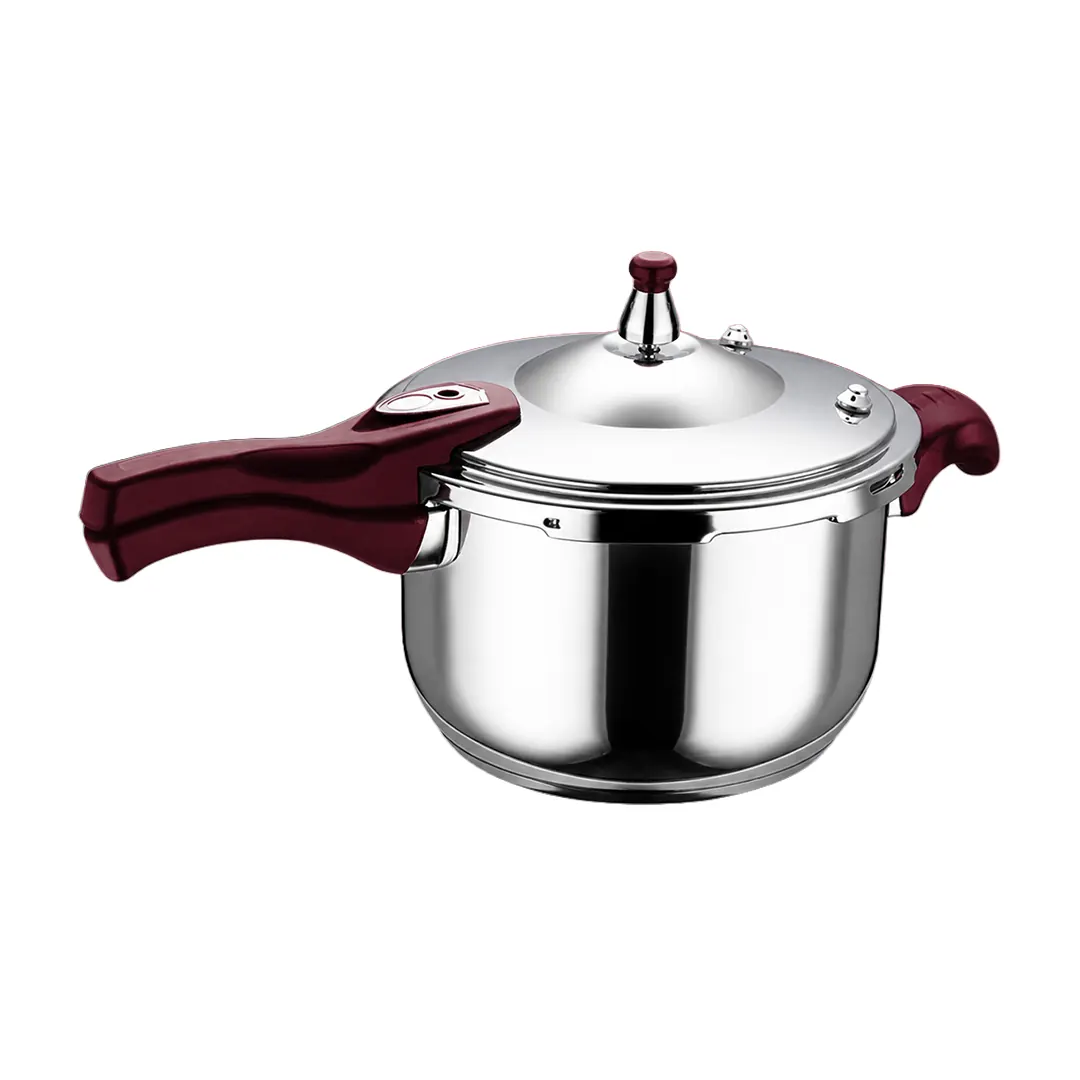
Our Stainless Steel Pressure Cooker is built this way: a food-grade stainless body, a thick induction-compatible base that spreads heat evenly, a locking lid and a multi-valve safety system, and it works on gas, electric, ceramic and induction hobs.
Which size do you need?
Capacity on a pressure cooker is the total volume of the pot, and you never fill it beyond two-thirds (half for foods that foam, like beans and rice). So the usable volume is smaller than the number on the box. As a rule of thumb:
- 5 L — one or two people; daily dal, rice, a small chicken. Fits comfortably on a standard hob and in a compact kitchen.
- 7 L — the family all-rounder. Enough for a 1.5 kg biryani or a whole chicken with room for stock. If you are unsure, buy this one.
- 9 L — large families or anyone who batch-cooks for the week.
- 11 L — Ramadan iftar hosting, gatherings, weekly meal prep for six or more, or simply stock in serious quantity.
The MARC cooker comes in all four sizes, so you can match the pot to the household rather than the other way round.
The safety features that actually matter
Modern pressure cookers are safe by design, not by luck. Check that any cooker you buy has all of the following — ours does:
- A pressure-regulating valve that releases steam once the working pressure is reached, so pressure never keeps building.
- A safety valve as a second, independent release in case the main valve is ever blocked.
- A lid lock that physically prevents opening while there is pressure inside. If the lid will not turn, there is still pressure — wait.
- A sealing gasket in good condition. This is the only wear part; replace it when it hardens, cracks or the cooker starts hissing from the rim.
Five habits for perfect results
- Always add liquid. Pressure needs steam, and steam needs at least a cup (250 ml) of water, stock or sauce. Dry pots do not build pressure; they scorch.
- Start on high, finish on low. Bring it to pressure on high heat, then drop to the lowest setting that keeps the valve gently hissing. Higher heat after that point only wastes energy and can scorch the base.
- Time from the first hiss, not from when you put it on the stove.
- Natural release for meat and beans, quick release for vegetables. Letting the pressure drop on its own (10–15 minutes off the heat) keeps meat tender; running cool water over the lid stops vegetables overcooking.
- Clean the valve every time. A quick rinse under the tap keeps it clear. Never scrub the gasket with abrasives; wash it in warm soapy water and dry it before storing.
Quick reference: cooking times at pressure
| Food | Time at pressure | Release |
|---|---|---|
| Red lentils (masoor) | 6–8 min | Natural |
| Chickpeas (soaked overnight) | 12–15 min | Natural |
| Basmati rice | 4–5 min | Natural, 5 min |
| Chicken, whole (1.5 kg) | 20–25 min | Natural |
| Lamb shoulder, cubed | 30–35 min | Natural |
| Potatoes, quartered | 6–8 min | Quick |
| Chicken stock | 45 min | Natural |
Times are for a stovetop cooker at full working pressure. Add two or three minutes at altitude or for very cold ingredients straight from the fridge.
Frequently asked questions
Can I use a pressure cooker on an induction hob?
Only if the base is magnetic. Aluminium cookers will not work; the MARC stainless cooker has an induction-ready base and works on gas, electric, ceramic and induction.
Is it safe to leave it unattended?
Do not leave it unattended while it is coming to pressure, because that is when you need to lower the heat. Once it is hissing gently on low, it is fine to step away, but set a timer.
Why is steam leaking from the rim?
Almost always the gasket: either it is not seated properly, it has food debris on it, or it has worn out. Remove it, wash it, dry it and reseat it. If the rim still leaks, replace the gasket.
Can I cook frozen meat directly?
Yes — that is one of the best things about pressure cooking. Add about 50 percent to the cooking time and use natural release.
Ready to cut your cooking time in half? See the MARC Stainless Steel Pressure Cooker in 5, 7, 9 and 11-litre sizes, with delivery across the UAE and cash on delivery available.